Why Even Mild Snoring in Children Should Never Be Ignored
The Hidden Dangers of Snoring in Children
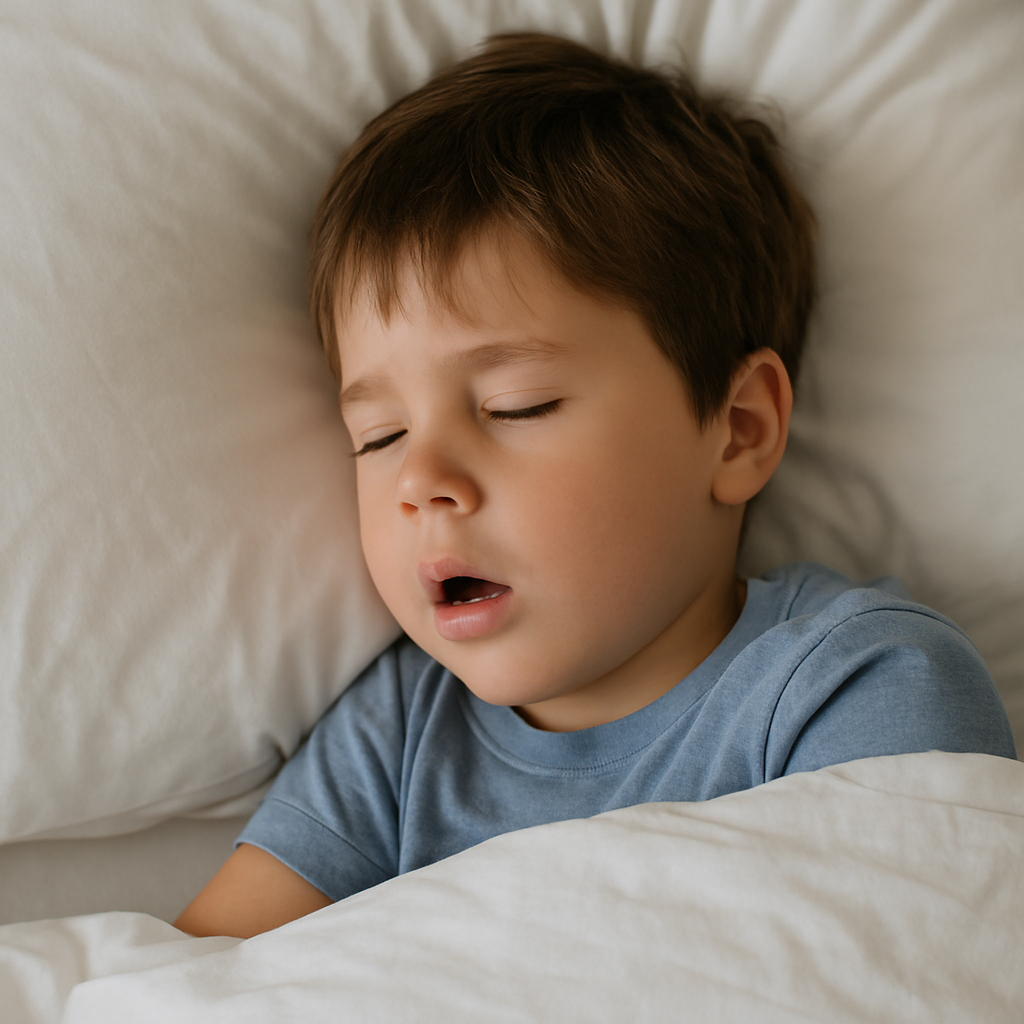
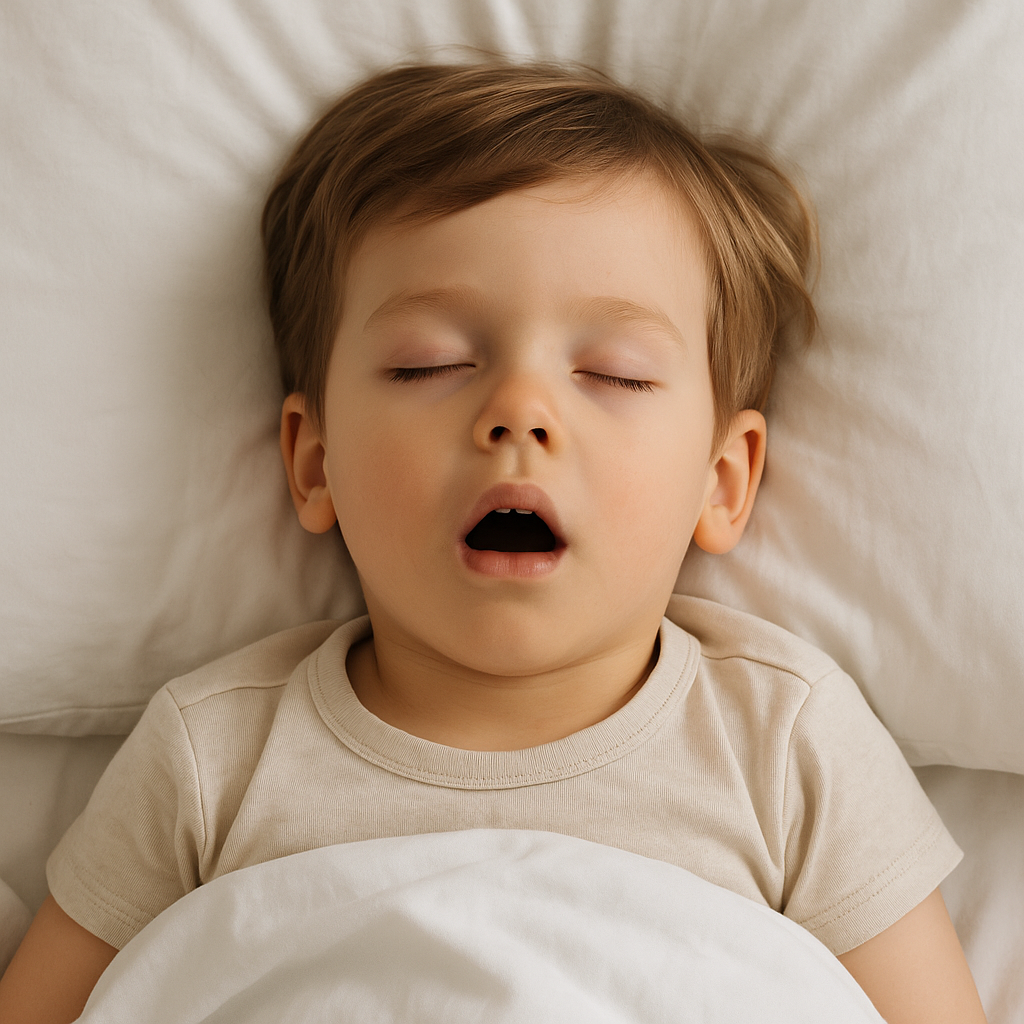
When parents hear their child snore at night, it can sound harmless or even cute. For many, it becomes part of the bedtime routine — a soft, rumbling background noise that signals their child is fast asleep. Unfortunately, that sound may be a subtle but serious red flag. At MyoWay Centers for Kids, we regularly see families who believed mild snoring was nothing to worry about until it began affecting their child’s behavior, focus, and overall well-being. This article explores why even mild snoring in children deserves immediate attention, what it really means about your child’s airway, and how early intervention can make all the difference.
The Misconception: “It’s Just a Little Snoring”
Snoring is often dismissed as a normal part of sleep, especially in adults. So when a child begins to snore, it is not uncommon for parents to assume it is just a passing phase or a result of seasonal allergies. Some may say, “My child only snores a little,” or “They do not snore every night, so it cannot be that serious.” However, in pediatric sleep and airway health, there is no such thing as “just a little” snoring. Even mild snoring is an indicator that your child’s airway is not functioning as it should.
What Snoring Really Tells Us About a Child’s Health
Snoring occurs when there is resistance in the upper airway during sleep. This resistance causes the soft tissues in the throat to vibrate, creating the familiar snoring sound. In children, that vibration signals that airflow is being disrupted, even if only slightly.
That disruption reduces the amount of oxygen that reaches the brain and body during critical stages of growth and development.
If your child is snoring, it could mean:
- The airway is too narrow or partially blocked
- The tongue is falling back during sleep
- The jaw is underdeveloped and affecting breathing
- They are breathing through their mouth instead of their nose
- Sleep quality is compromised, even if your child appears to sleep through the night
These are not small concerns. Oxygen is one of the most vital inputs for brain development, emotional regulation, and physical growth. When the airway is restricted, everything from focus to behavior to academic performance can be affected.
The Connection Between Snoring, Mouth Breathing, and Development
Children who snore are often also mouth breathers. This means they rely on their mouths rather than their noses for breathing, especially at night. Mouth breathing may seem harmless, but it disrupts the body’s natural respiratory functions. Breathing through the nose warms, filters, and humidifies air. It also activates the diaphragm and supports optimal oxygen exchange.
Mouth breathing, on the other hand, allows dry, unfiltered air into the lungs and disrupts proper jaw and facial development.
Over time, mouth breathing can lead to:
- Narrow palate and crowded teeth
- Elongated face and poor jaw growth
- Forward head posture
- Sleep-disordered breathing
- Behavioral concerns that may mimic ADHD
- Chronic fatigue and poor school performance
Snoring is often one of the earliest signs of this cycle starting. If identified early, these outcomes can be prevented or significantly improved with the right intervention.
The Role of Oxygen in Brain and Body Development
Oxygen is not just important for energy. In children, oxygen saturation during sleep plays a key role in brain growth, memory consolidation, emotional processing, and physical healing.
When snoring disrupts oxygen intake, the consequences are not always obvious at first. A child may seem moody, hyperactive, or tired during the day. They may struggle to concentrate in school, or begin to show signs of anxiety or poor emotional regulation.
Many families pursue behavioral therapy, academic testing, or even medication — without ever realizing that the real root of the problem is nighttime oxygen restriction caused by a compromised airway.
This is why it is critical to understand that snoring is not just a sound. It is a message from your child’s body that something is not working as it should.
Why Early Intervention Matters
The earlier airway concerns are addressed, the more potential there is for positive change. At MyoWay, we focus on early, non-invasive intervention that helps children grow the right way from the inside out.
Our programs use:
- Myofunctional therapy exercises to strengthen oral and facial muscles
- Medical-grade appliances to guide jaw and airway development
- Breathing retraining techniques to encourage nasal breathing
- Collaborative care with pediatricians, dentists, and ENTs
This approach is not about managing symptoms. It is about resolving the root cause of snoring and mouth breathing so your child can breathe, sleep, and grow with the oxygen their brain and body need. When addressed early, many children can avoid braces, tonsil removal, sleep studies, and long-term behavioral struggles. We have seen children’s sleep quality, energy levels, attention, and overall confidence improve dramatically.
What Parents Can Watch For
Snoring is often the first sign, but it is not the only one. Parents should pay close attention to the following signs of airway dysfunction in children:
- Snoring, even if light or occasional
- Mouth breathing during the day or night
- Restless sleep or frequent tossing and turning
- Grinding teeth at night
- Dark circles under the eyes
- Daytime fatigue despite sleeping through the night
- Hyperactivity, mood swings, or difficulty focusing
- History of recurring ear infections or enlarged tonsils
If you notice any of these signs, it is worth exploring whether your child’s airway is part of the issue. The sooner these patterns are identified, the more effective treatment can be.
Moving Beyond “Wait and See”
Many families are told to wait and see if their child outgrows snoring. Others are reassured that the problem is not significant unless it becomes disruptive. Unfortunately, waiting often allows the issue to worsen, making intervention more difficult later on.
At MyoWay, we believe in addressing the root cause as early as possible. This does not mean rushing into surgery or using aggressive treatments. It means using gentle, child-friendly methods to support the natural development your child’s body is already trying to achieve.
We have seen time and time again that when a child begins breathing well, everything changes. Sleep improves. Behavior stabilizes. Confidence grows. Snoring should never be ignored, no matter how mild it seems. The cost of inaction is too high.
Snoring in children is never just snoring. It is a signal that your child’s airway needs support and that their brain and body may not be getting the oxygen they need to thrive.
Parents do not need to feel helpless. There are safe, proven ways to address airway dysfunction early. At MyoWay, we are here to guide you every step of the way with expert care and a program designed for growing kids.
Your child deserves the chance to breathe freely, sleep deeply, and grow the right way.
Ready to take the next step?
Book your free consultation in under 5 minutes.
https://mychart.myoryx.com/patient/#/auth/onlineschedule?realm=myoway&univers=com